
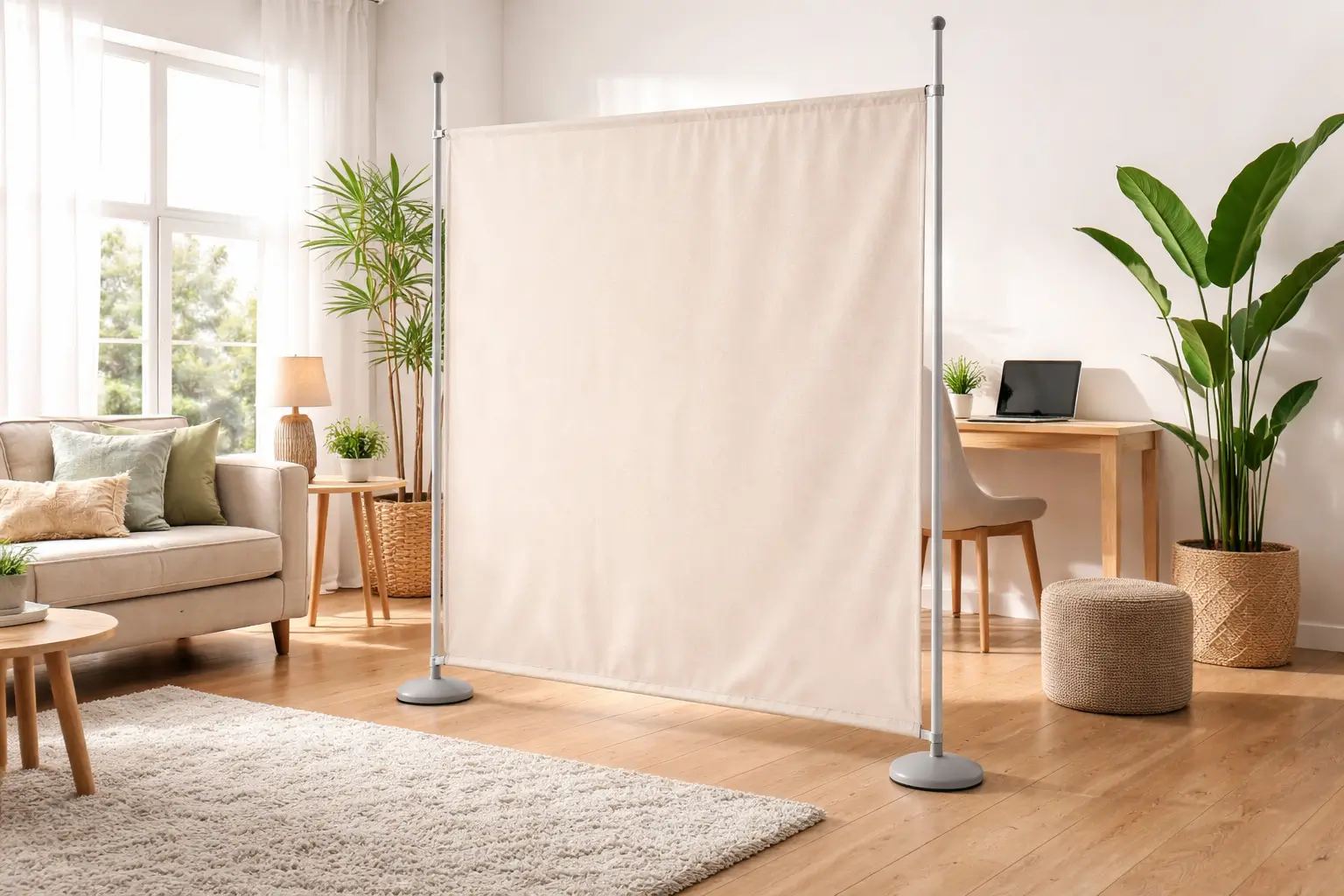
Living in a rental apartment in the United States comes with clear boundaries. You can decorate, reorganize, and personalize your space — but you cannot damage structural elements, especially flooring. Hardwood scratches, cracked tiles, or dents in luxury vinyl plank (LVP) can quickly reduce or eliminate your security deposit.
At the same time, modern renters need flexibility. Studio apartments require creative zoning. Remote workers need a defined home office. Roommates want privacy. The solution often seems simple: add a room divider. But here’s the critical question — what is the lightest room divider material that won’t damage floors?
This comprehensive step-by-step guide explains how to choose the safest material, how to install it correctly, what mistakes to avoid, and how to protect your flooring long term — all without sacrificing functionality.
Why Floor Protection Is a Top Priority for Renters
Before selecting any divider, you must understand the financial and structural risk involved.
Most U.S. rental apartments feature one of the following floor types:
- Engineered hardwood
- Solid hardwood
- Laminate flooring
- Luxury vinyl plank (LVP)
- Ceramic or porcelain tile
- Carpet over subfloor
Each of these materials reacts differently to weight and friction.
Hardwood can dent under concentrated pressure. Laminate scratches easily. LVP resists moisture but can compress under heavy objects. Tile can crack if uneven pressure is applied. Carpet may hide marks but can compress permanently.
Landlords typically define “normal wear and tear” narrowly. Damage caused by heavy furniture, dragging objects, or concentrated weight points is often billable.
That means choosing the wrong divider material could cost far more than the divider itself.
What Actually Makes a Room Divider Safe for Floors?
When people search for the lightest room divider material that won’t damage floors, they often focus only on total weight. However, weight alone does not determine floor safety.
There are four critical factors:
1. Total Weight
A lighter divider generally reduces floor pressure.
2. Weight Distribution
Wide, padded contact points are safer than small hard feet.
3. Installation Method
Tension-mounted systems distribute pressure vertically rather than pressing downward.
4. Mobility
If a divider must be dragged to reposition, floor damage risk increases dramatically.
A 15-pound divider with narrow plastic feet can cause more damage than a 25-pound divider with padded, evenly distributed support.
Step-by-Step: How to Choose the Safest Lightweight Room Divider
Identify Your Floor Type
Start by inspecting your flooring.
Ask yourself:
- Is it hardwood or laminate?
- Is it floating LVP flooring?
- Is it tile with grout lines?
- Is it carpeted?
Each floor type requires a slightly different approach.
For example:
- Hardwood → prioritize felt or silicone padding
- LVP → avoid concentrated compression
- Tile → ensure even pressure distribution
- Carpet → avoid extremely narrow legs that sink
Understanding your floor reduces guesswork.
Set a Weight Limit
For renters, safe guidelines include:
- Under 20 pounds for freestanding screens
- Under 30 pounds for tension-mounted systems
Lighter options reduce long-term compression risk.
However, never sacrifice structural stability. A divider that tips over can cause more damage than one that is slightly heavier but stable.
Compare Lightweight Materials
Here is a breakdown of common room divider materials ranked by safety for rental floors.
Tension-Mounted Fabric Panels (Safest Option)
These systems use adjustable poles that compress between floor and ceiling.
Advantages:
- Typically 8–20 pounds
- Minimal floor contact
- No heavy base stand
- Vertical pressure distribution
- Easy repositioning
Because the load is distributed between ceiling and floor rather than resting entirely on the floor, these systems reduce long-term pressure.
Best for:
- Studio apartments
- Temporary bedroom separation
- Home office partitions
Aluminum Frame with Fabric Inserts
Lightweight metal framing with fabric panels offers:
- Moderate weight (12–28 pounds)
- Wider contact points
- Improved durability
These are safe if padded properly.
Shoji-Style Paper Screens
Traditional folding screens are light but may have multiple narrow legs.
Pros:
- Lightweight
- Portable
Cons:
- Easy to drag
- Feet may scratch hardwood
Always install felt pads before use.
PVC Panel Dividers
Plastic-based panels are relatively light but may require support stands.
Risk increases if:
- Bases are narrow
- Material warps
- Uneven pressure occurs
Bamboo or Wooden Folding Screens
Although attractive, these are often heavier than expected.
Weight range: 18–40 pounds.
Greater risk for hardwood and laminate floors.
The Best Overall Lightweight Material for Renters
The safest and lightest room divider material that won’t damage floors is tension-mounted fabric.
Why?
- No heavy base
- Minimal footprint
- Pressure distributed vertically
- No dragging required
- Renter-friendly installation
For U.S. renters seeking flexibility and protection, this design offers the strongest balance between function and floor safety.
Detailed Installation Guide Without Causing Damage
Choosing the right material is only half the equation. Installation determines long-term safety.
Step 1: Inspect Floor and Ceiling Surface
Ensure:
- Surface is clean
- No debris under contact points
- Floor is level
Even small particles under a divider foot can create pressure dents.
Step 2: Add Protective Padding
Even if the manufacturer includes rubber caps, consider adding:
- Felt pads
- Silicone discs
- Non-slip protective layers
This is especially important for hardwood and laminate.
Step 3: Adjust Tension Carefully
With tension-mounted systems:
- Extend poles gradually
- Stop once secure
- Avoid excessive compression
Over-tightening can create pressure dents on delicate flooring.
Step 4: Test Stability
Gently push the divider.
If it wobbles:
- Adjust slightly
- Check ceiling alignment
Do not overcompensate by forcing extra tension.
Step 5: Reposition Safely
Never drag.
Instead:
- Lift vertically
- Move slowly
- Set down gently
Dragging is the most common cause of rental floor damage.
Cost Comparison for U.S. Renters
Average price ranges:
- Tension fabric divider: $70–$220
- Aluminum fabric frame: $120–$300
- Shoji screen: $90–$300
- Bamboo screen: $100–$400
When factoring potential floor repair costs, investing in a lightweight, padded system becomes a financially smart decision.
Maintenance Tips to Prevent Floor Damage Over Time
Even lightweight dividers can cause issues if neglected.
Follow these maintenance practices:
- Check contact points monthly
- Replace worn rubber caps
- Clean dust under feet
- Avoid placing heavy objects on the divider
- Slightly reposition every few months
These habits prevent compression marks and uneven wear.
Common Mistakes That Lead to Floor Damage
Avoid these frequent errors:
- Choosing heavy wooden screens
- Dragging instead of lifting
- Ignoring padding
- Over-tightening compression poles
- Placing dividers on uneven surfaces
Awareness alone prevents most damage.
When Lightweight Is Not Enough
If you require:
- Soundproofing
- Permanent structural division
- Fire-rated separation
Lightweight fabric dividers will not meet building-code standards.
However, for visual privacy and flexible zoning, they remain the safest renter solution.
Long-Term Considerations for Renters
Before purchasing, consider:
- How long you plan to stay
- Whether you’ll move frequently
- Whether your apartment layout may change
- Storage space for disassembly
Tension-mounted fabric systems are portable, compact, and easy to relocate — ideal for renters who may move every 1–3 years.
Conclusion
For renter apartment dwellers in the United States, floor protection should guide every furniture decision. The lightest room divider material that won’t damage floors is tension-mounted fabric, thanks to its minimal weight, vertical load distribution, and renter-safe installation.
By selecting the right material, installing carefully, and maintaining protective padding, you can divide your space confidently without risking costly floor repairs. Lightweight solutions are not just about convenience — they are about protecting your lease, your deposit, and your peace of mind.
Frequently Asked Questions
1. Can lightweight room dividers still leave marks?
Yes, if dragged or installed without padding. Proper installation prevents this.
2. Are tension-mounted dividers safe for hardwood?
Yes, when installed with moderate compression and padded caps.
3. What is the safest base material?
Silicone or felt-covered contact points provide the best protection.
4. Do lightweight dividers reduce noise?
They provide visual privacy but minimal sound insulation.
5. Is a heavier divider ever safer?
Only if weight is evenly distributed and fully padded — otherwise, lighter is usually safer for rental floors.